
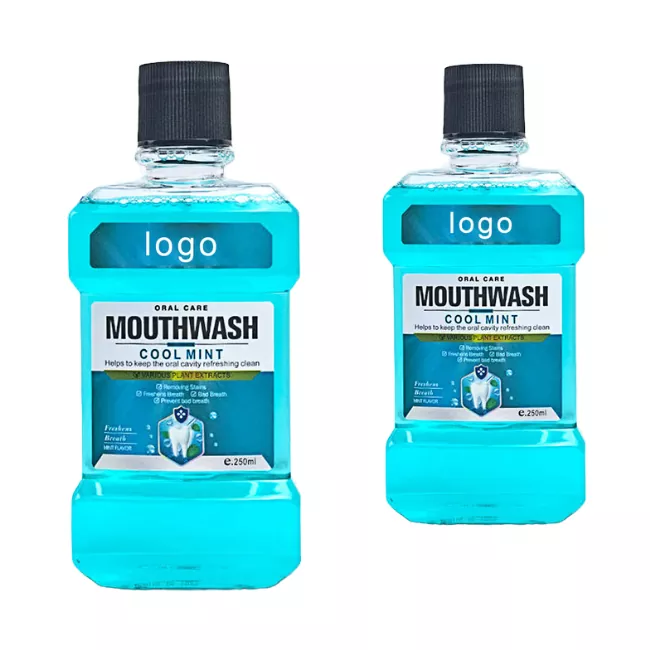
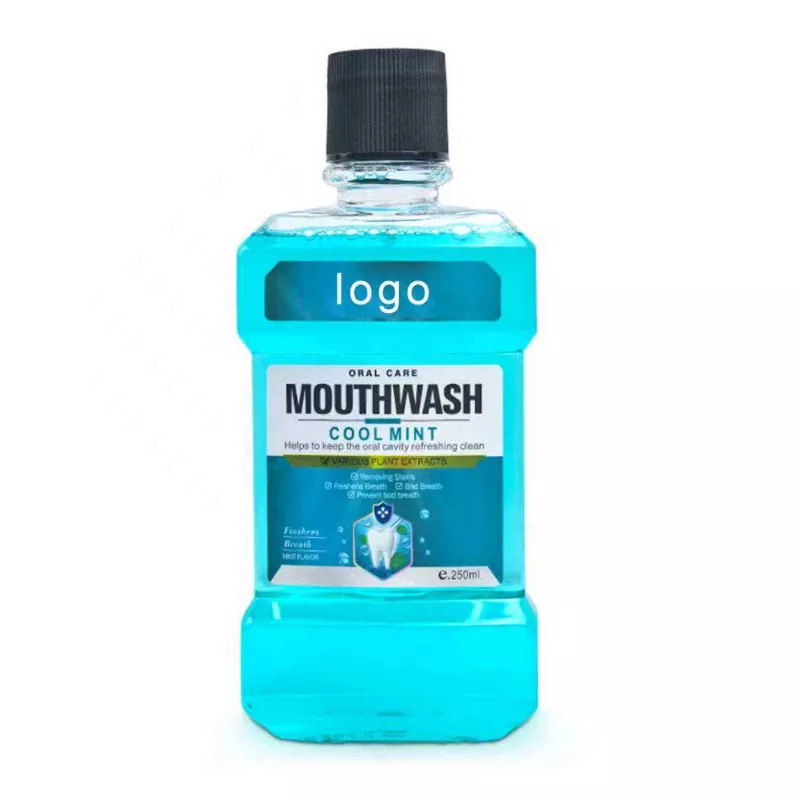
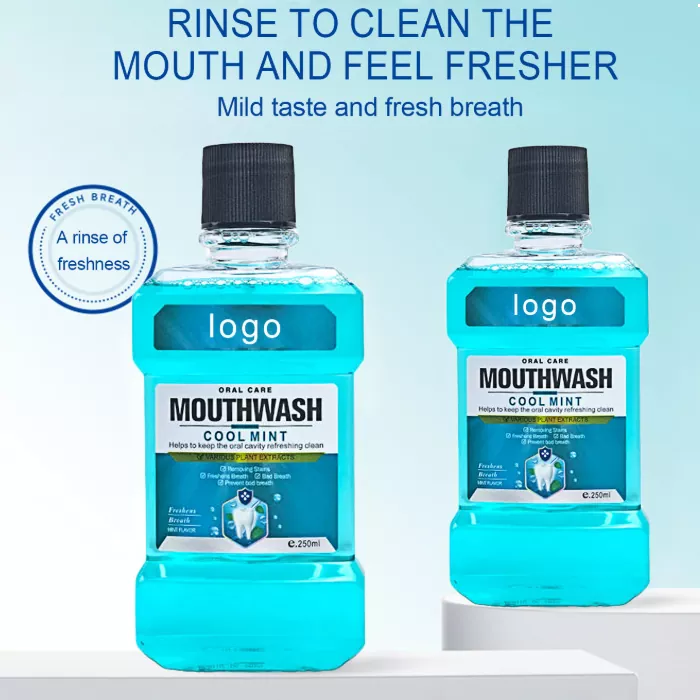
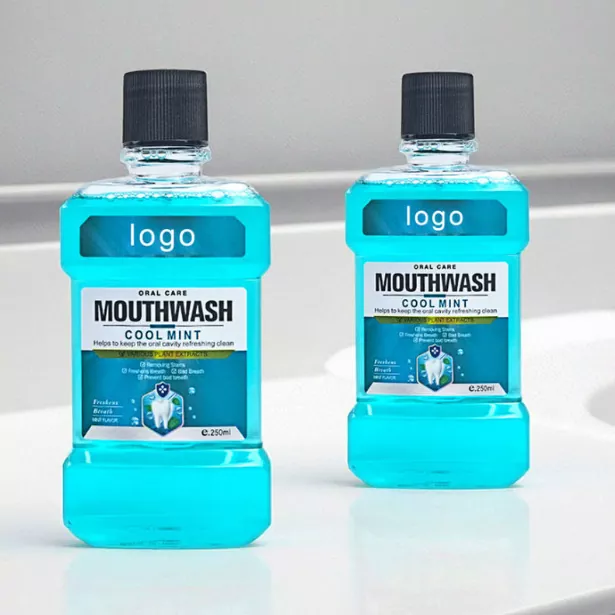
Stain Whitening Mouthwash
Daily tea, coffee and dark-colored food intake can easily cause pigment deposition and tooth discoloration, dulling your smile. Suzhou Jinmao Stain Whitening Mouthwash is specially designed for tooth brightening and oral care, effectively improving yellow teeth and accumulated dental stains.
Send Inquiry
Product Description
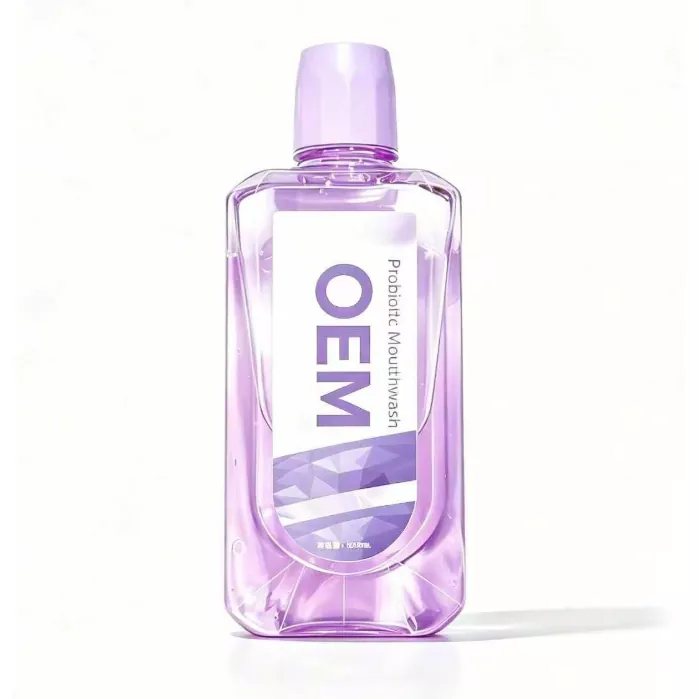
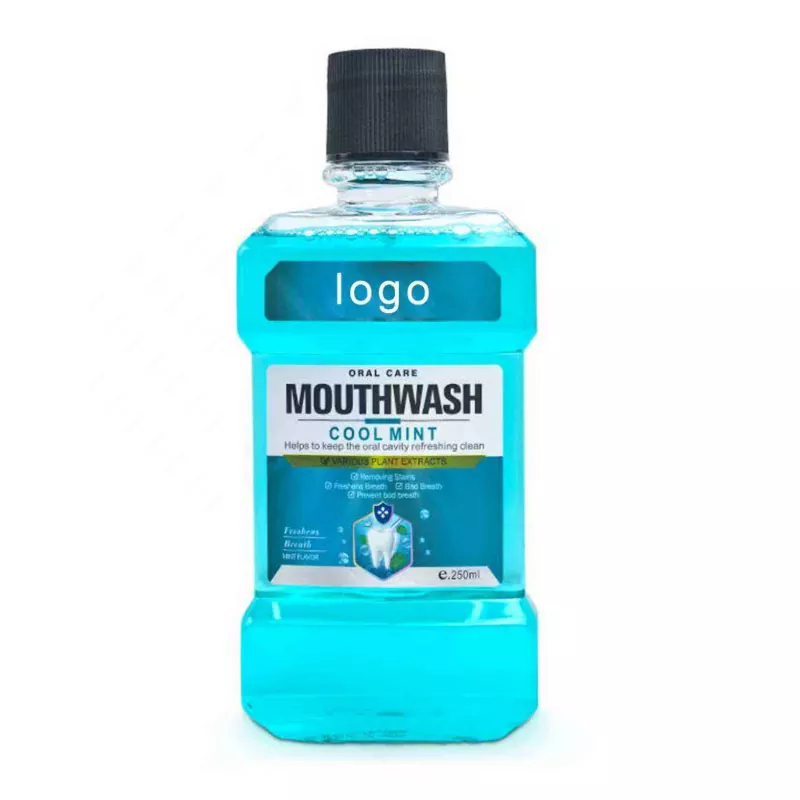
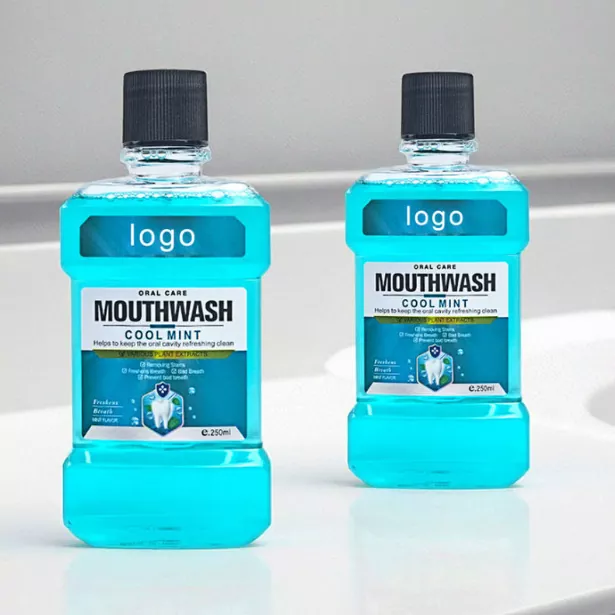
For oral-care ranges that include tooth-surface stain care, the mouthwash needs to balance its intended whitening position with the requirements of a daily-use formula. This Stain Whitening Mouthwash uses a 250ml alcohol-free liquid with a mint profile. Its current formulation includes purified water, glycerin, propylene glycol, xylitol, cetylpyridinium chloride, menthol and a phosphate-based buffering system. Suzhou City Jinmao Daily Chemicals Co., Ltd. manufactures the product for private-label and OEM/ODM applications.
Product Specifications
| Product Name | Stain Whitening Mouthwash | Brand | OEM/ODM |
| Product Type | Alcohol-Free Mouthwash | Suitable Age | Adult |
| Formula | Purified water, glycerin, propylene glycol, xylitol, cetylpyridinium chloride, menthol, flavor and buffering ingredients | Flavor | Mint |
| Intended Use | Daily oral care with stain-care positioning | Appearance | Transparent liquid |
| Place of Origin | China | Net Volume | 250ml |
| MOQ | 10,000 pcs | OEM/ODM | Available |
What Defines This Mouthwash
The product is intended for oral-care programs where stain management is part of the positioning. It is not simply a mint mouthwash with a whitening name added to the label. The formula, product claims and intended use need to be considered together when defining the finished product.
The current specification combines xylitol, cetylpyridinium chloride and menthol with a water-based liquid system. Mint flavor provides the main taste direction, while glycerin and propylene glycol form part of the liquid formulation. Sodium citrate, sodium dihydrogen phosphate and disodium hydrogen phosphate are used within the current buffering system.
This composition provides a starting point for a stain-care mouthwash, but it should not be used to assume a specific whitening performance. Any claim concerning stain removal or tooth whitening needs to correspond with the approved formula and supporting product information.
Stain Care Rather Than a General Fresh-Breath Product
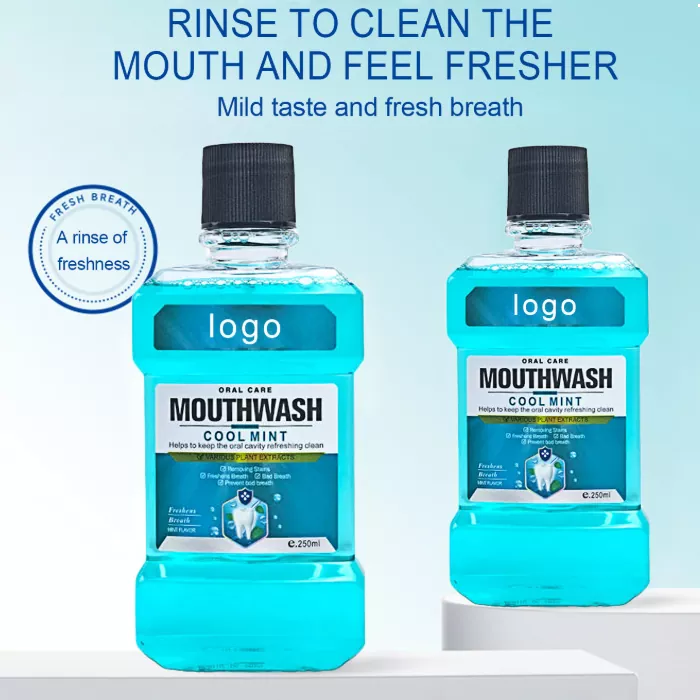
A mouthwash can occupy different positions within an oral-care range. Fresh-breath products usually emphasize taste, cooling sensation and odor control, while a stain-care product is developed around the appearance of tooth-surface discoloration as part of the product concept.
For this reason, the commercial description of a whitening mouthwash should be more precise than simply calling it a fresh-breath rinse. Surface-stain care, cosmetic whitening and treatment of underlying dental discoloration are different concepts and should not be presented as interchangeable claims.
For private-label development, this distinction also affects the product name, packaging copy, supporting documentation and market classification. The final claim set should be established from the actual formulation and the requirements of the destination market.
Ingredient Profile
Purified water provides the main liquid phase of the formulation. Glycerin and propylene glycol are included in the current liquid system, while xylitol, cetylpyridinium chloride and menthol form part of the functional and sensory profile.
The mint character comes from menthol and food flavoring. The phosphate ingredients, together with sodium citrate, form the buffering portion of the current formula. The formulation also includes pigments according to the supplied specification.
The complete ingredient declaration and concentrations should be taken from the approved production formula. This is particularly important when the product is being prepared for a different market, because ingredient naming, permitted substances and labeling requirements may vary by region.
Mint Sensory Profile
Mint is used as the standard flavor direction. Menthol contributes the cooling sensation, while the flavor system determines the overall taste and aftertaste of the finished rinse.
For a private-label product, the sensory profile can be adjusted when the target market requires a milder mint, stronger cooling effect or a different aftertaste. Flavor changes should be assessed together with the formula rather than treated as a separate packaging decision.
250ml Format for Bathroom Use
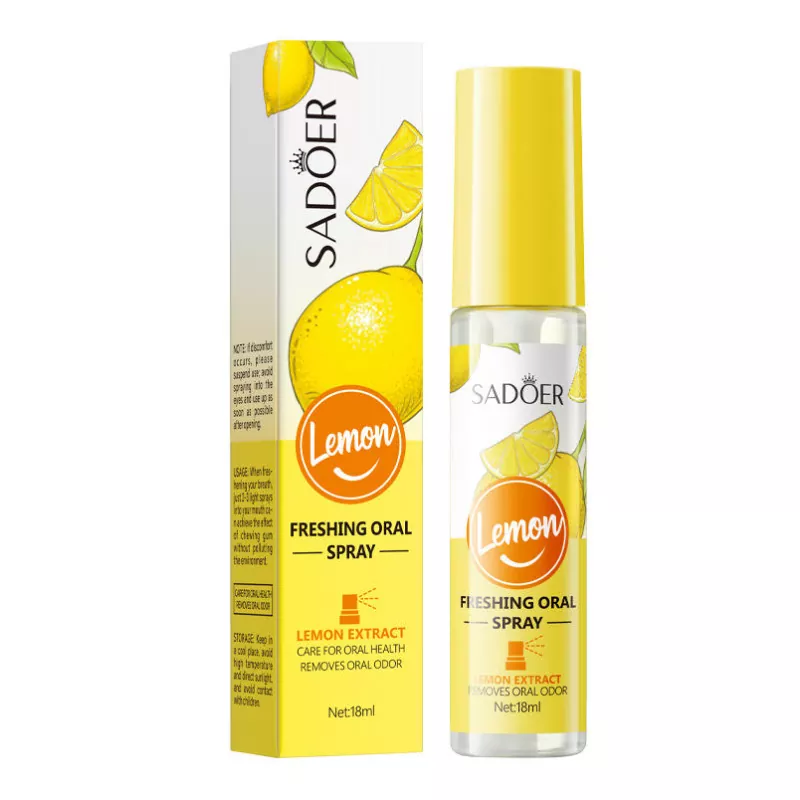
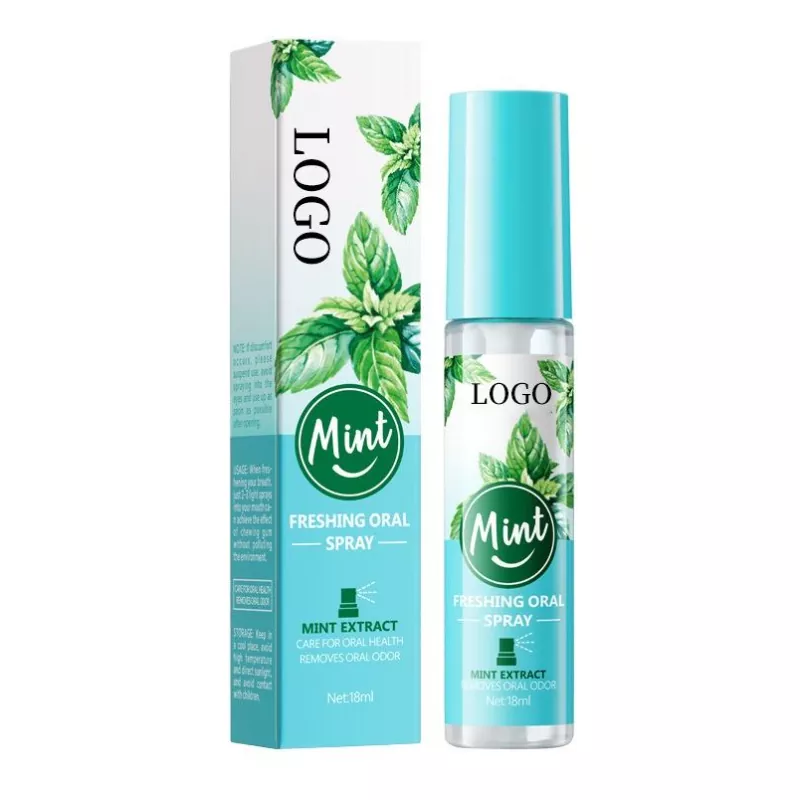
The 250ml bottle is a conventional size for a mouthwash intended to remain in the bathroom and form part of a repeated oral-care routine. It is substantially different from the 18ml spray formats used for portable breath-refreshing products.
The larger format also gives the packaging enough area for ingredient information, directions, warnings and brand-specific content. Bottle dimensions, closure, label area and secondary packaging can be established according to the final project requirements.
Where It Fits in an Oral-Care Range
| Product Category | Primary Purpose | Difference from This Product |
| Fresh Breath Mouthwash | Breath refreshing | Less focused on tooth-surface stain positioning |
| Oral Spray | Portable breath refreshing | Smaller package and direct spray application |
| Stain Whitening Mouthwash | Daily rinsing with stain-care positioning | 250ml format and whitening-oriented product concept |
| Whitening Toothpaste | Brushing and tooth-surface cleaning | Different application method and formulation system |
This positioning is useful when planning a product range because the formula, format and claims can be assigned according to the role of each product rather than using the same description for every oral-care item.
Points That Affect the Final Specification
Several details need to remain consistent from formulation through packaging. A change in the formula may affect the ingredient declaration or product claims, while a change in bottle or closure can affect filling and packaging arrangements.
| Item | Current Specification | Final Project Detail |
| Product Direction | Stain-care oral rinse | Final whitening or stain-related claim |
| Formula | Alcohol-free liquid | Approved ingredient list and concentrations |
| Flavor | Mint | Flavor intensity and cooling profile |
| Volume | 250ml | Final bottle capacity and dimensions |
| Appearance | Transparent liquid | Approved color and finished appearance |
| Packaging | Mouthwash bottle | Bottle, closure, label and outer carton |
| MOQ | 10,000 pcs | Confirmed order quantity |
OEM and Private-Label Production
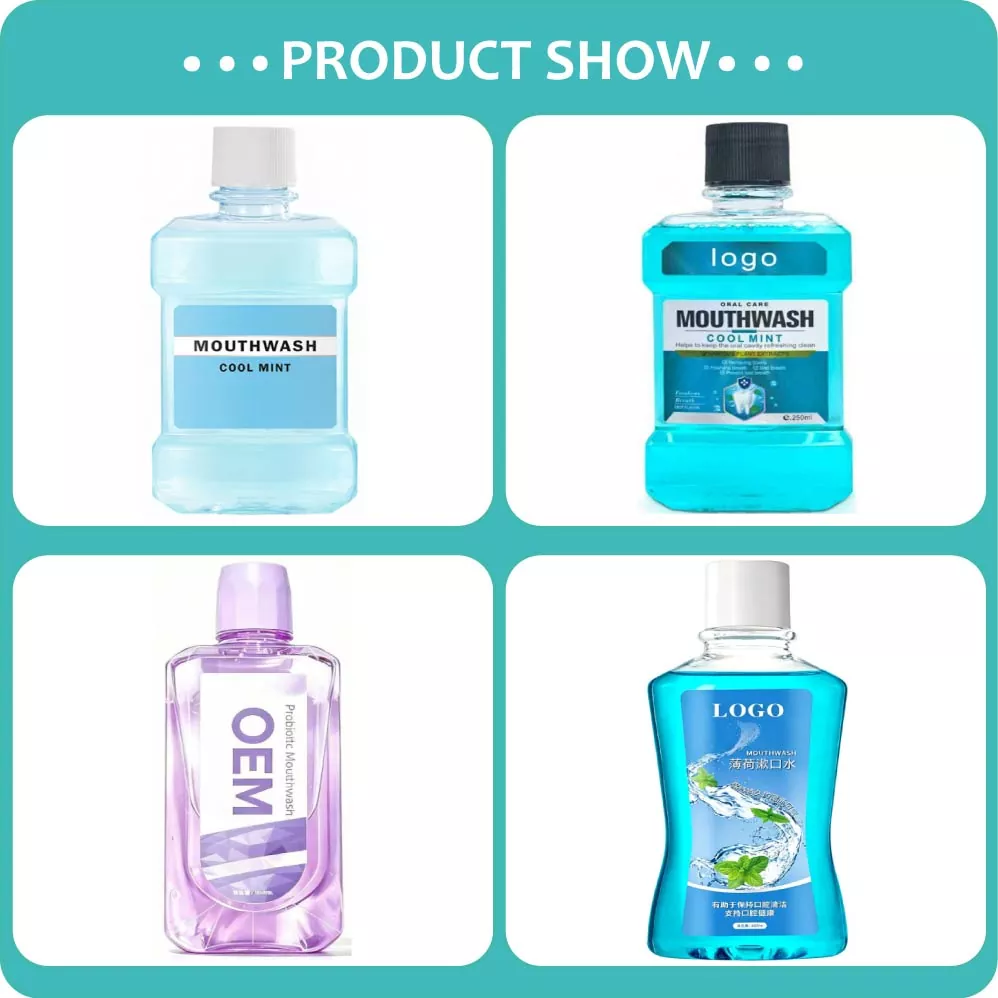
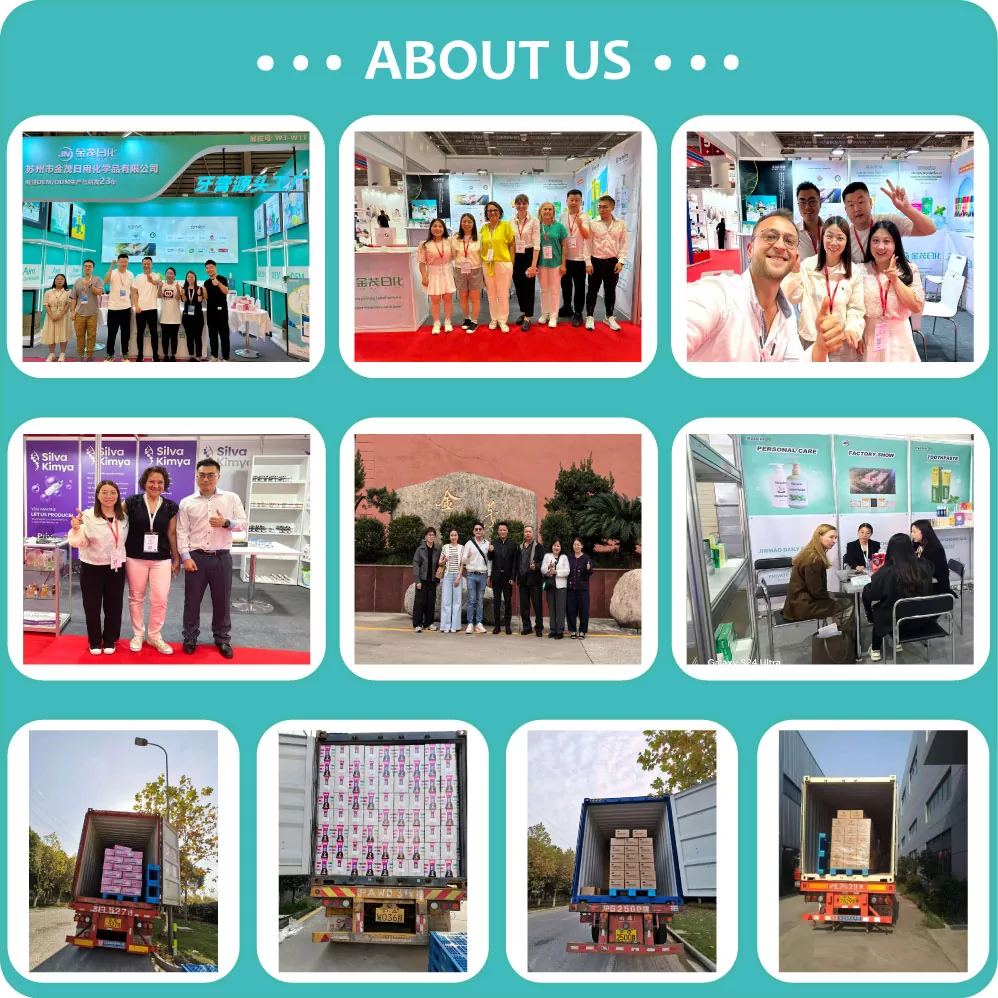
Suzhou City Jinmao Daily Chemicals Co., Ltd. handles OEM and ODM production for daily chemical and oral-care products. The existing mouthwash specification can be retained as a reference formula, or a project can be developed from a customer-provided formula, sample or product brief.
Depending on the project, the production specification may include formula adjustment, flavor selection, bottle capacity, closure type, label artwork and secondary packaging. The final combination is established before manufacturing rather than being determined during filling.
The standard MOQ for this product is 10,000 pcs. Production quantity and packaging arrangements are confirmed according to the approved specification.
Whitening Claims and Regulatory Considerations
“Whitening” can refer to different product expectations, including the reduction of visible surface stains or a change in tooth color. These claims should not be treated as equivalent when preparing product labels or technical documents.
The final product name, ingredient declaration, directions, warnings and performance claims should be reviewed together before artwork approval. For export products, the applicable requirements of the destination country or region should also be checked.
Manufacturing Control
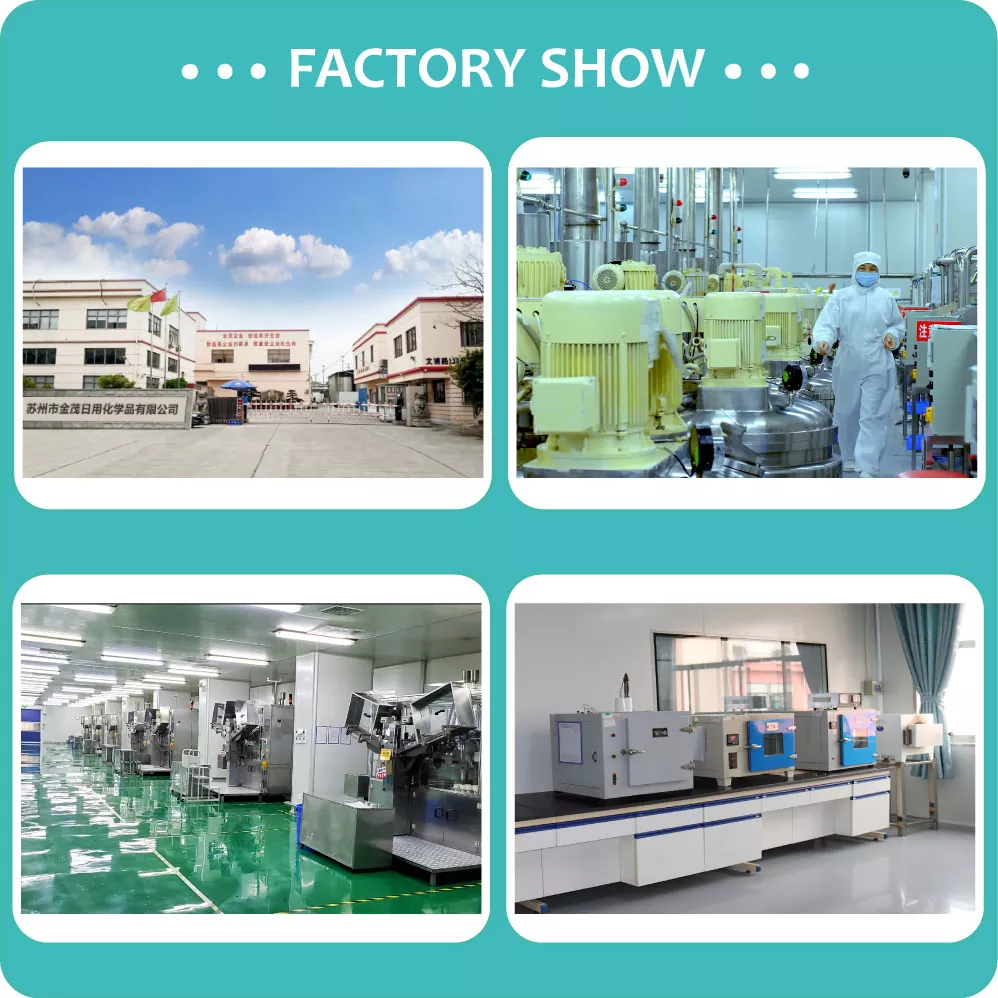
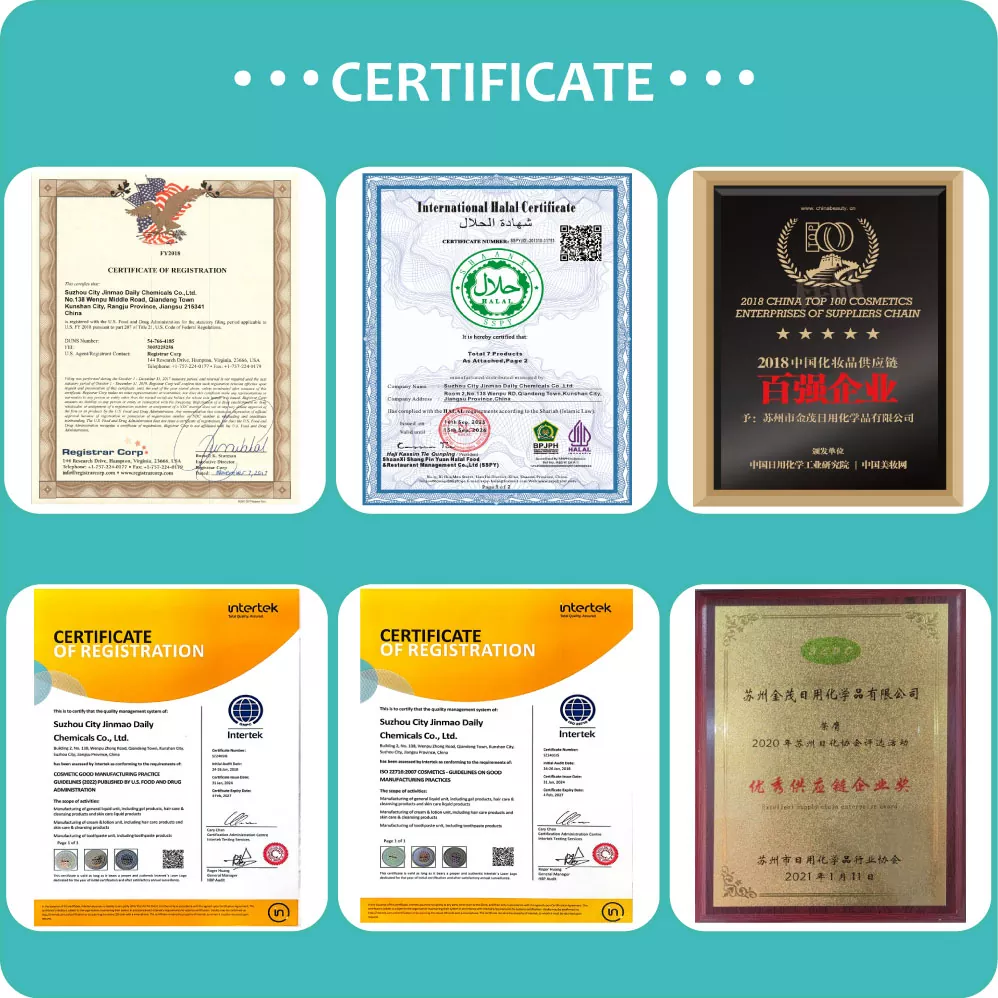
Production control at Suzhou City Jinmao Daily Chemicals Co., Ltd. covers raw material inspection, formulation, filling, packaging and finished-product inspection. R&D and quality personnel are involved in formula development and production checks.
For a customized mouthwash, the approved formula and packaging specification serve as the manufacturing reference. Raw materials, filling volume, packaging components and finished products are checked according to the established production requirements.
Production Lines
The facility has 8 automatic filling lines and 8 automatic packaging lines for daily chemical and oral-care products. Line selection and production arrangements depend on the confirmed formula, bottle specification, filling requirements and order quantity.
For the 250ml mouthwash, the manufacturing specification covers the liquid formula, filling volume, bottle and closure, labeling information and finished-product inspection requirements.
Information for Product Sourcing
When evaluating this mouthwash for a private-label range, the relevant starting points are the intended stain-care position, formula, mint profile, 250ml bottle and target-market requirements. These factors determine whether the existing specification can be used directly or requires modification.
The present version is an alcohol-free 250ml mouthwash with a mint profile and a formula containing xylitol, cetylpyridinium chloride, menthol and buffering ingredients. A product sample and the corresponding specification can be reviewed before the final production version is established.
Hot Tags: Stain Whitening Mouthwash, Teeth Whitening Mouthwash, Whitening Mouthwash Supplier
Related Category
Herbal Toothpaste
Whitening Toothpaste
Anti-sensitive Toothpaste
Anti-cavity Toothpaste
Oral Care Mouthwash
Roll-on Deodorant
Send Inquiry
Please Feel free to give your inquiry in the form below. We will reply you in 24 hours.